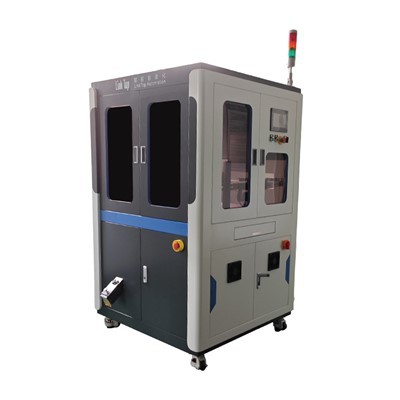
Hey there! As a supplier of B2B inspection machines, I often get asked about the power supply requirements for these machines. It's a crucial topic because getting the power supply right is essential for the smooth operation and longevity of the inspection equipment. In this blog, I'll break down the key aspects of power supply requirements for B2B inspection machines.
Understanding the Basics of Power Supply for Inspection Machines
First off, let's talk about why power supply is so important. Inspection machines, whether they're Visual Inspection And Packing Machine, Metal Button Inspection Machine, or Button Sorting Machine, rely on a stable power source to function accurately. A fluctuating or inadequate power supply can lead to errors in inspection results, damage to the machine's components, or even complete breakdowns.
Voltage Requirements
One of the primary factors in power supply is the voltage. Different inspection machines have different voltage requirements, which are usually specified by the manufacturer. Most B2B inspection machines in the market operate on standard industrial voltages, such as 220V or 380V, depending on the region and the specific machine design.
For example, smaller inspection machines, like some of the handheld or benchtop models, might work well with a 220V single-phase power supply. These machines are often used for light-duty inspection tasks and have relatively lower power consumption. On the other hand, larger, more complex inspection machines, such as those used in high-volume production lines, may require a 380V three-phase power supply. This higher voltage provides the necessary power to drive the machine's motors, sensors, and other components efficiently.
It's crucial to ensure that the power supply voltage at your facility matches the requirements of the inspection machine. Using the wrong voltage can not only damage the machine but also pose a safety risk. If you're unsure about the voltage requirements, it's always a good idea to consult the machine's manual or contact the manufacturer directly.
Frequency Requirements
In addition to voltage, the frequency of the power supply is also an important consideration. In most countries, the standard power frequency is either 50Hz or 60Hz. Inspection machines are designed to operate at a specific frequency, and using a power supply with the wrong frequency can cause the machine to malfunction.
For instance, if a machine is designed to operate at 50Hz and is connected to a 60Hz power supply, the motor speed may increase, leading to overheating and potential damage to the machine. Similarly, if a 60Hz machine is connected to a 50Hz power supply, the motor may run slower, affecting the inspection speed and accuracy.
Before purchasing an inspection machine, make sure to check the frequency requirements and ensure that your power supply matches them. If you're operating in a region with a different frequency than the machine's specification, you may need to use a frequency converter to adjust the power supply.
Power Consumption
Another important aspect of power supply requirements is the power consumption of the inspection machine. Power consumption is measured in watts (W) or kilowatts (kW) and indicates how much electrical energy the machine uses. Understanding the power consumption of your inspection machine is crucial for several reasons.
Firstly, it helps you determine the appropriate size of the power supply and electrical circuit needed to support the machine. If the power supply is too small, it may not be able to provide enough energy to run the machine properly, leading to performance issues. On the other hand, if the power supply is too large, it can be wasteful and increase your energy costs.
Secondly, knowing the power consumption can help you estimate your energy costs. By multiplying the power consumption (in kW) by the number of hours the machine is in operation and the cost of electricity per kilowatt-hour, you can calculate how much it will cost to run the machine. This information can be useful for budgeting and cost control.
The power consumption of inspection machines can vary widely depending on the type, size, and complexity of the machine. For example, a simple button sorting machine may have a power consumption of around 500W, while a large-scale visual inspection and packing machine could consume several kilowatts.
Power Quality
In addition to voltage, frequency, and power consumption, the quality of the power supply is also crucial for the proper operation of inspection machines. Power quality refers to the characteristics of the electrical power, such as voltage stability, harmonic distortion, and power factor.
Voltage stability is essential because sudden voltage fluctuations can cause the machine to malfunction or damage its components. To ensure voltage stability, it's recommended to use a voltage regulator or an uninterruptible power supply (UPS). A voltage regulator can maintain a constant voltage level, while a UPS can provide backup power in case of a power outage.
Harmonic distortion is another issue that can affect the performance of inspection machines. Harmonics are unwanted electrical frequencies that can cause interference and damage to the machine's electrical components. To reduce harmonic distortion, it's important to use high-quality electrical equipment and to install harmonic filters if necessary.
The power factor is a measure of how efficiently the machine uses electrical energy. A low power factor can result in higher energy costs and can also cause problems for the electrical grid. To improve the power factor, it's recommended to use power factor correction devices.
Connecting the Inspection Machine to the Power Supply
Once you've determined the appropriate power supply requirements for your inspection machine, it's time to connect it to the power source. Here are some important steps to follow:


- Read the Manual: Before connecting the machine, carefully read the manufacturer's manual to understand the specific power supply requirements and connection instructions.
- Use the Right Cables: Make sure to use the appropriate power cables that are rated for the voltage and current requirements of the machine. Using the wrong cables can pose a safety risk and may damage the machine.
- Ground the Machine: Proper grounding is essential for the safety of the machine and the operators. Make sure to connect the machine to a grounded electrical outlet or use a grounding wire.
- Test the Power Supply: Before turning on the machine, test the power supply to ensure that the voltage and frequency are within the specified range. You can use a multimeter or a power analyzer to perform the test.
- Start the Machine: Once you've verified that the power supply is correct, you can start the machine and monitor its operation. If you notice any issues, such as unusual noises or error messages, stop the machine immediately and contact the manufacturer for assistance.
Conclusion
In conclusion, understanding the power supply requirements for B2B inspection machines is crucial for ensuring their proper operation and longevity. By considering factors such as voltage, frequency, power consumption, and power quality, you can select the right power supply for your machine and avoid potential problems.
If you're in the market for an inspection machine, I encourage you to reach out to us. We're a leading B2B inspection machine supplier, and we can help you find the right machine for your needs and ensure that it's properly installed and configured. Don't hesitate to contact us for more information or to discuss your specific requirements.
References
- Manufacturer's manuals for inspection machines
- Electrical engineering textbooks and resources on power supply systems