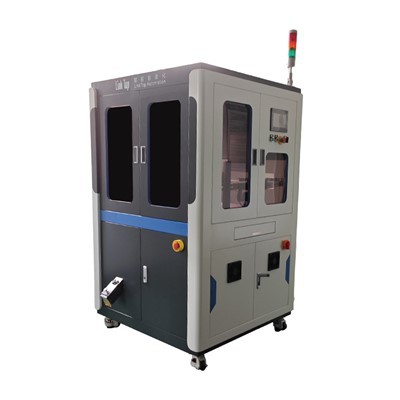
As a seasoned supplier of inspection machines, I've witnessed firsthand the pivotal role these machines play across various industries. From ensuring product quality to streamlining production processes, inspection machines are indispensable. One of the most frequently asked questions I encounter is, "What kind of power does an inspection machine need?" In this blog post, I'll delve into this question, exploring the different types of power requirements for inspection machines and how they impact performance and efficiency.
Understanding the Basics of Inspection Machine Power
Before we dive into the specific power requirements, it's essential to understand the basic functions of an inspection machine. Inspection machines are designed to detect defects, measure dimensions, and verify the quality of products. They use a variety of technologies, including optical sensors, cameras, lasers, and X-rays, to perform these tasks. Each of these technologies requires a certain amount of power to operate effectively.
The power requirements of an inspection machine depend on several factors, including the type of inspection technology used, the size and complexity of the machine, and the speed at which it operates. For example, a simple visual inspection machine that uses a single camera may require less power than a more complex machine that uses multiple sensors and advanced algorithms.
Types of Power Sources for Inspection Machines
There are several types of power sources that can be used to operate inspection machines, each with its own advantages and disadvantages. The most common power sources include:
Electrical Power
Electrical power is the most widely used power source for inspection machines. It is reliable, efficient, and readily available in most industrial settings. Electrical power can be supplied through a standard electrical outlet or a dedicated power supply. The power requirements of an inspection machine will depend on the specific model and its features.
Pneumatic Power
Pneumatic power uses compressed air to operate the machine. It is commonly used in applications where a high level of precision and speed is required. Pneumatic power is clean, quiet, and can be easily controlled. However, it requires a compressor to generate the compressed air, which can be expensive to purchase and maintain.
Hydraulic Power
Hydraulic power uses a fluid to transmit power and control the movement of the machine. It is commonly used in applications where a high level of force is required, such as in heavy-duty inspection machines. Hydraulic power is reliable and can provide a high level of precision. However, it requires a hydraulic pump and a reservoir of hydraulic fluid, which can be expensive to purchase and maintain.
Power Requirements for Different Types of Inspection Machines
Now that we've discussed the different types of power sources, let's take a closer look at the power requirements for different types of inspection machines.
Visual Inspection And Packing Machine
A Visual Inspection And Packing Machine is used to inspect and pack products. It typically uses a combination of cameras and sensors to detect defects and ensure that the products are properly packed. The power requirements of a visual inspection and packing machine will depend on the number of cameras and sensors used, as well as the speed at which the machine operates.
Shell Button Inspection Machine
A Shell Button Inspection Machine is used to inspect shell buttons for defects and ensure that they meet the required specifications. It typically uses a combination of optical sensors and cameras to detect defects. The power requirements of a shell button inspection machine will depend on the number of sensors and cameras used, as well as the speed at which the machine operates.
Optical Sorting Machine
An Optical Sorting Machine is used to sort products based on their color, shape, and size. It typically uses a combination of cameras and sensors to detect and sort the products. The power requirements of an optical sorting machine will depend on the number of cameras and sensors used, as well as the speed at which the machine operates.


Factors Affecting Power Consumption
In addition to the type of inspection machine and the power source used, there are several other factors that can affect the power consumption of an inspection machine. These factors include:
Machine Size and Complexity
Larger and more complex inspection machines typically require more power to operate. This is because they have more components and sensors, which require more energy to function.
Operating Speed
The faster an inspection machine operates, the more power it will consume. This is because the machine needs to process more data and move more quickly to keep up with the production line.
Environmental Conditions
The environmental conditions in which an inspection machine operates can also affect its power consumption. For example, if the machine is operating in a hot or humid environment, it may require more power to cool itself down.
Tips for Reducing Power Consumption
As an inspection machine supplier, I understand the importance of reducing power consumption to save energy and lower operating costs. Here are some tips for reducing the power consumption of your inspection machine:
Choose the Right Power Source
Selecting the right power source for your inspection machine can significantly reduce its power consumption. For example, if your machine is used in a low-power application, you may be able to use a battery-powered or solar-powered machine.
Optimize Machine Settings
Optimizing the settings of your inspection machine can also help reduce its power consumption. For example, you can adjust the speed and sensitivity of the machine to match the requirements of your application.
Maintain Your Machine Regularly
Regular maintenance of your inspection machine can help ensure that it is operating efficiently and consuming less power. This includes cleaning the machine, replacing worn parts, and calibrating the sensors.
Conclusion
In conclusion, the power requirements of an inspection machine depend on several factors, including the type of inspection technology used, the size and complexity of the machine, and the speed at which it operates. By understanding these factors and choosing the right power source, you can ensure that your inspection machine is operating efficiently and consuming less power.
If you're in the market for an inspection machine, I encourage you to contact us to discuss your specific requirements. Our team of experts can help you choose the right machine for your application and provide you with a detailed quote. We look forward to hearing from you!
References
- [List of relevant industry standards or technical documents related to inspection machine power requirements]
- [Any research papers or articles that support the information presented in the blog post]