


As a long - time supplier of inspection machines, I've seen firsthand the significant differences between contact and non - contact inspection machines. These differences can have a huge impact on which type of machine is the best fit for a particular business. So, let's dive right in and explore what sets these two types of inspection machines apart.
How They Work
First off, let's talk about how they operate. Contact inspection machines, as the name suggests, require physical contact with the object being inspected. They use probes, sensors, or other physical elements that touch the surface of the product. For example, a tactile sensor in a contact inspection machine can measure the dimensions of a part by physically touching it at various points. This direct contact allows for highly accurate measurements of things like size, shape, and surface roughness.
On the other hand, non - contact inspection machines don't touch the object at all. They rely on technologies such as lasers, cameras, and ultrasound to gather information about the product. A laser scanner can quickly create a 3D model of an object without ever making physical contact. This is great for delicate or easily damaged items, as there's no risk of scratching or deforming them during the inspection process.
Speed and Efficiency
When it comes to speed, non - contact inspection machines usually have the upper hand. They can scan large areas or multiple objects in a very short time. For instance, an Optical Sorting Machine can quickly sort through a stream of products, identifying defects or sorting by color, shape, or size in a matter of seconds. In contrast, contact inspection machines often need to move the probe or sensor across the object, which can be a time - consuming process, especially for complex shapes.
However, in some cases, contact inspection machines can be more efficient for very small or highly detailed inspections. They can provide more precise measurements in certain situations, like when checking the internal dimensions of a small hole. So, if you're dealing with a high - volume production line where speed is crucial, non - contact machines might be the way to go. But if you need extremely accurate measurements for small, intricate parts, a contact inspection machine could be a better choice.
Accuracy and Precision
Accuracy is a key factor in inspection. Contact inspection machines are known for their high level of precision. Since they physically touch the object, they can detect very small variations in dimensions. For example, in the manufacturing of precision mechanical parts, a contact inspection machine can ensure that each part meets the exact specifications.
Non - contact inspection machines also offer high accuracy, but in a different way. They can capture a large amount of data about the object's surface and features. For example, a camera - based non - contact inspection system can detect surface defects like cracks or scratches that might be difficult to spot with a contact method. However, factors like lighting conditions and the distance between the sensor and the object can affect the accuracy of non - contact machines.
Cost and Maintenance
Cost is always a consideration when choosing an inspection machine. Contact inspection machines generally have a lower upfront cost. They are often simpler in design and don't require the advanced technology that non - contact machines do. However, they may require more maintenance over time. The physical probes and sensors can wear out and need to be replaced, which can add to the long - term cost.
Non - contact inspection machines, on the other hand, tend to have a higher initial cost. The advanced technologies like lasers and high - resolution cameras are expensive. But they usually require less maintenance. There are no physical parts that come into contact with the object, so there's less wear and tear.
Applications
The choice between contact and non - contact inspection machines also depends on the application. Contact inspection machines are commonly used in industries where precise dimensional measurements are crucial, such as automotive manufacturing, aerospace, and precision machining. For example, in the production of engine components, a contact inspection machine can ensure that the parts fit together perfectly.
Non - contact inspection machines are widely used in industries where speed and the ability to inspect without touching the object are important. Food processing is a great example. An Optical Sorting Machine can quickly sort out defective or foreign objects from a conveyor belt of food products. They are also used in electronics manufacturing to inspect circuit boards for defects.
Our Product Offerings
At our company, we offer a wide range of inspection machines to meet different needs. If you're looking for a machine for detailed dimensional inspection, our Silver Contact Visual Inspection Machine is a great option. It uses advanced contact - based technology to ensure the highest level of precision.

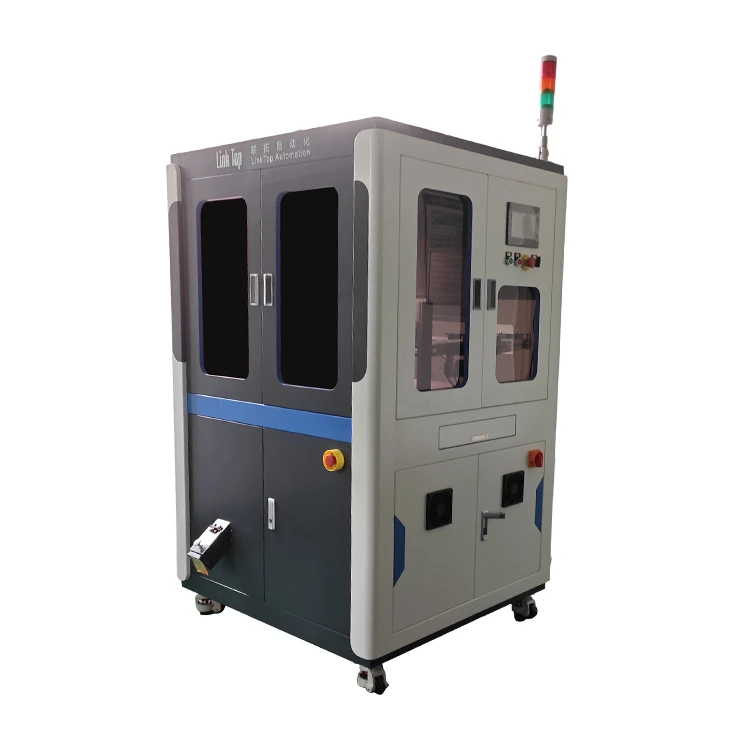
For those who need a high - speed inspection solution, our Visual Inspection And Packing Machine combines non - contact inspection with packing capabilities. It can quickly inspect products and then pack them, saving time and increasing efficiency.
Conclusion
In conclusion, both contact and non - contact inspection machines have their own unique advantages. The choice between them depends on factors like the type of product being inspected, the required level of accuracy, the speed of inspection, and the budget. As a supplier, we're here to help you make the right decision for your business. If you're interested in learning more about our inspection machines or have any questions, don't hesitate to reach out. We're ready to discuss your specific needs and find the perfect inspection solution for you.
References
- "Inspection Technology Handbook"
- Industry reports on inspection machine trends


