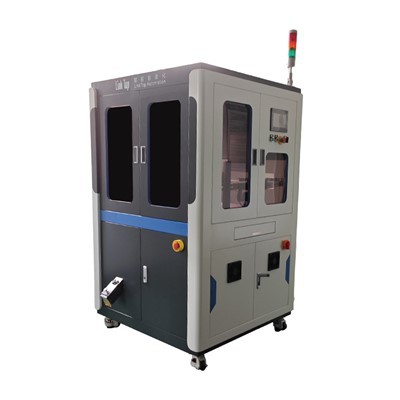
Shipping and logistics are crucial aspects when it comes to B2B transactions of inspection machines. As a supplier of inspection machines in the B2B space, I've encountered various challenges and learned a great deal about what needs to be considered. In this blog post, I'll share some key points regarding shipping and logistics for inspection machines.
Packaging
First off, proper packaging is non - negotiable. Inspection machines are often delicate and expensive pieces of equipment. They can have sensitive sensors, precision parts, and complex electronic components. Anything that can jar or damage these parts during transit could render the machine useless or at least require costly repairs.
We typically use custom - made wooden crates for the larger inspection machines. These crates are designed to fit the machine snugly, with plenty of padding materials like foam and bubble wrap to absorb shocks. For smaller machines, we opt for high - quality cardboard boxes with internal bracing.
A well - packaged machine not only protects it from physical damage but also from environmental factors like moisture and dust. We seal the packages with waterproof tape and sometimes add desiccants to keep the interior dry. This is especially important if the machine is being shipped overseas where it might encounter different climates and long periods in storage.
Shipping Method
There are several shipping methods to choose from, and each has its pros and cons.
Air Freight
Air freight is the fastest option. It's ideal when the customer needs the inspection machine urgently. For example, if a manufacturing plant has a breakdown and needs a new Button Sorting Machine to keep their production line running, air freight can get the machine to them in a matter of days. However, air freight is also the most expensive option. The cost can be a deterrent, especially for larger machines or when shipping to multiple destinations.
Sea Freight
Sea freight is more cost - effective, especially for large or heavy inspection machines. It's suitable for non - urgent orders. A Polyester Button Inspectiong Machine or a Shell Button Inspection Machine can be shipped via sea in shipping containers. But sea freight is much slower, often taking weeks to reach the destination. This longer transit time means that the customer has to wait longer to start using the machine, and there's also a higher risk of damage due to the longer exposure to various environmental conditions and the multiple handling procedures involved in port operations.
Road Freight
Road freight is a good option for domestic or regional shipments. It offers flexibility in terms of delivery schedules and can provide door - to - door service. For transporting inspection machines within a country or a neighboring region, road freight can be efficient and relatively affordable. But it has limitations in terms of distance and capacity compared to air and sea freight.
Customs and Regulations
When shipping inspection machines internationally, customs and regulations are a major headache. Different countries have different import requirements, including tariffs, duties, and documentation.
We always make sure to provide our customers with detailed product descriptions, invoices, and certificates of origin. These documents are necessary for customs clearance. For example, some countries may require a certificate stating that the machine meets certain safety and quality standards. Failure to provide the correct documentation can lead to delays in customs, additional fees, or even the seizure of the shipment.
Moreover, some countries have restrictions on the import of certain types of inspection machines, especially those with advanced technology or dual - use capabilities. We need to be well - informed about these restrictions to avoid any legal issues.
Insurance
Shipping insurance is a must. No matter how well - packaged the inspection machine is or how reliable the shipping method is, there's always a risk of damage or loss during transit.
We offer insurance options to our customers. Insurance gives them peace of mind, knowing that in case something goes wrong, they'll be compensated. The cost of insurance depends on the value of the inspection machine, the shipping method, and the destination. It's a relatively small price to pay compared to the potential loss of a valuable piece of equipment.
Tracking and Communication
Once the inspection machine is shipped, tracking and communication become crucial. Our customers always want to know where their machine is and when it will arrive. We use tracking systems provided by the shipping carriers to keep our customers updated on the status of their shipment.
We also maintain regular communication with the customers. If there are any delays or issues with the shipment, we inform them immediately and work on finding solutions. Good communication helps build trust with our customers and ensures a smooth shipping process.
Special Handling Requirements
Some inspection machines have special handling requirements. For example, some machines may need to be kept at a certain temperature during transit. Others may require special loading and unloading equipment due to their size or weight.
We make sure to inform the shipping carriers about these special requirements in advance. We also provide them with detailed instructions on how to handle the machine properly. This ensures that the machine arrives at its destination in good condition.
Local Support
When the inspection machine reaches its destination, local support is essential. We have a network of partners and technicians in different regions. They can help with the installation, commissioning, and maintenance of the inspection machines.
For our customers, having local support means that they can get prompt assistance if they encounter any problems with the machine. This reduces downtime and ensures that the machine can be put into operation as soon as possible.


Pricing and Cost - Benefit Analysis
When it comes to shipping and logistics, cost is always a major concern. We work closely with our customers to find the most cost - effective shipping solution. Sometimes, choosing a slightly more expensive but faster shipping method can save the customer money in the long run by reducing production downtime.
We conduct cost - benefit analyses for each shipment. We consider factors like the value of the machine, the urgency of the order, and the potential cost of delays. This helps us and our customers make informed decisions about the shipping and logistics options.
Conclusion
Shipping and logistics for B2B inspection machines involve many considerations. From packaging and shipping method selection to customs regulations and insurance, each step is crucial to ensure that the machine arrives at its destination safely and on time.
If you're in the market for an inspection machine and want to learn more about our shipping and logistics processes or have any questions about our Button Sorting Machine, Polyester Button Inspectiong Machine, or Shell Button Inspection Machine, don't hesitate to reach out. We're here to provide you with the best solutions and outstanding customer service.
References
- General shipping and logistics industry knowledge.
- Past experiences and case studies in shipping inspection machines.